Civil Rights Law
Miami Civil Rights Law Firms: Where Claims Commonly Start
A Miami civil rights case can involve housing, employment, public accommodations, or police conduct. Here’s how local firms and county agencies fit into the process.
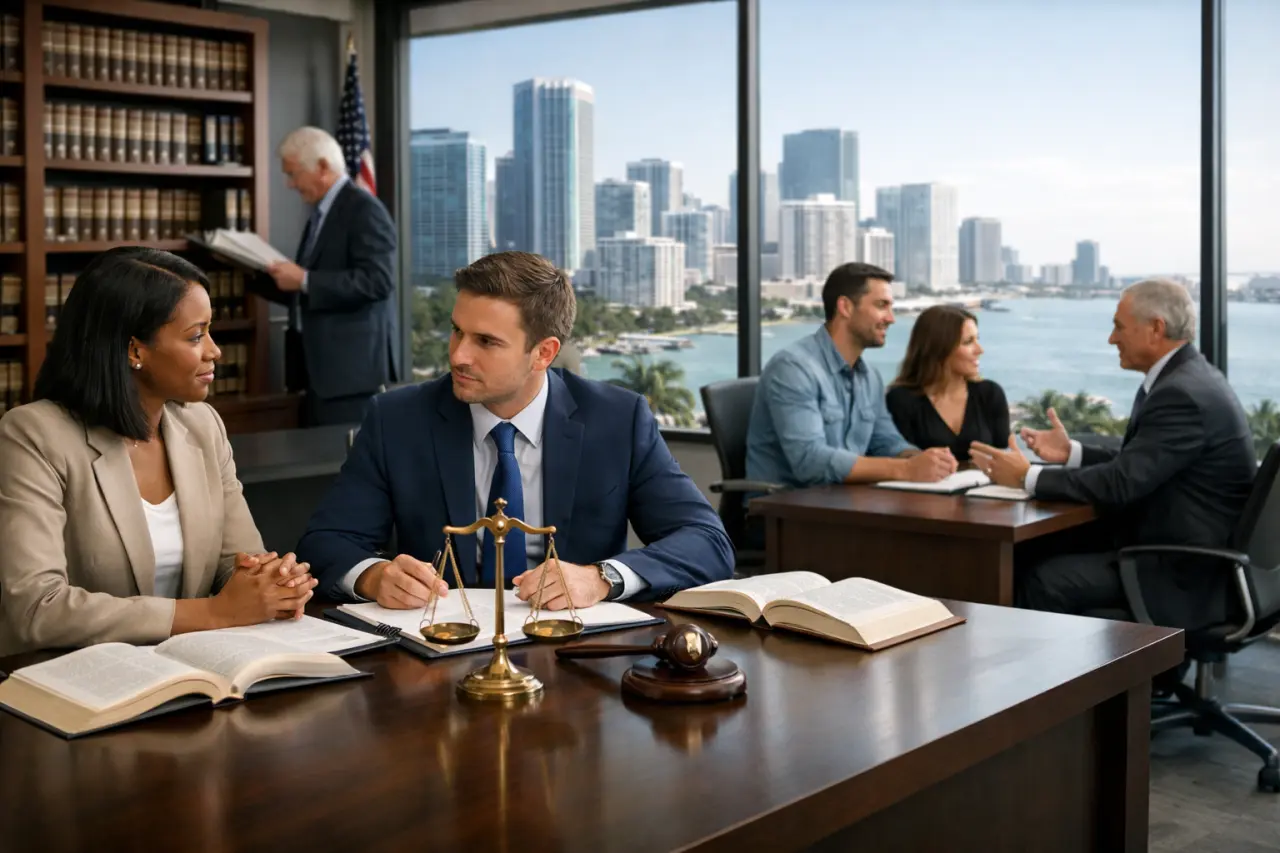
Miami civil rights claims usually start with the facts, not the label
In Miami, civil rights work often begins when someone is pushed out of a job, denied housing, blocked from a public accommodation, or mistreated by government actors in a way that feels bigger than a single dispute. Miami-Dade County’s Human Rights ordinance covers discrimination in employment, housing, public accommodations, and credit and financing practices, and the county’s Human Rights and Fair Employment Practices Division says it works to prevent discrimination and harassment across the county (Miami-Dade County). For people deciding whether to call a lawyer, that scope matters: the issue is often not just what happened, but which law protects it.
Miami-Dade also makes clear that housing discrimination can involve race, color, religion, ancestry, national origin, sex, pregnancy, age, disability, marital status, familial status, sexual orientation, gender identity or expression, source of income, and related protected traits (Miami-Dade County). That local framework shapes a lot of the civil rights casework I see around the city.
Firms in Miami that handle civil rights matters
One place Miami residents often look is Florida Justice Institute, a nonprofit civil rights litigation and advocacy organization based in Miami that says it works on systemic civil rights cases, including housing discrimination and challenges to government conduct (Florida Justice Institute). The organization has also described recent litigation involving race discrimination in apartment housing and a lawsuit challenging a Miami panhandling ordinance as unconstitutional, which shows how civil rights work here can range from fair housing to free speech issues (Florida Justice Institute; Florida Justice Institute).
Farohideh Law also says its Miami-based lawyers handle the full spectrum of civil rights and constitutional law litigation, including employment discrimination and First Amendment, Fourth Amendment, and Fourteenth Amendment claims (Farohideh Law). That mix is useful for people whose complaint crosses the line from a workplace problem into a constitutional dispute.
Joseph S. Shook, P.A. advertises Miami civil rights representation for wrongful arrest, excessive force, police brutality, and discrimination from law enforcement (Joseph S. Shook, P.A.). For residents whose concern centers on an arrest, a stop, or police conduct, that narrower focus may be closer to what they need.
FairLaw Firm also markets Miami discrimination representation, including race discrimination claims and broader labor and employment issues such as retaliation and wrongful termination (FairLaw Firm; FairLaw Firm). And Lett Law Firm says it handles civil rights violations in Miami and offers free consultations on those matters (Lett Law Firm).
What Miami clients tend to bring to a civil rights lawyer
In practice, the strongest civil rights intake starts with records. That can include emails, texts, incident reports, photos, witness names, lease paperwork, HR complaints, or police reports. In housing cases, Miami-Dade’s own guidance lists common signs of discrimination, such as a higher-than-advertised deposit, discouraging comments, different repairs for different tenants, or rules enforced unevenly (Miami-Dade County).
For employment cases, it helps to save the timeline: when you complained, who knew, what changed afterward, and whether discipline or termination followed. A lawyer will usually want to know whether the claim is about discrimination, retaliation, harassment, or a mix of all three.
For public-facing disputes, like speech on public property or protest-related arrests, the details matter even more. FJI’s Miami work on a panhandling ordinance is a reminder that civil rights law here can turn on where the conduct happened, what the ordinance said, and whether government action burdened speech or assembly (Florida Justice Institute).
How Miami’s local complaint process fits with private counsel
Miami-Dade County’s Commission on Human Rights is a quasi-judicial board that enforces the county’s Human Rights Ordinance, and residents can file discrimination complaints there (Miami-Dade County). The commission also runs intake, investigations, mediation, hearings, and determinations, which means a civil rights lawyer may be working alongside, or in parallel with, a county process rather than replacing it (Miami-Dade County).
That overlap is important. Some clients need immediate legal strategy before a filing deadline runs out. Others first need help deciding whether the county commission, a state agency, a federal court case, or all three are in play.
What to ask before you hire
- What kind of civil rights cases do you take most often? Employment, housing, police misconduct, public accommodations, or constitutional claims each have different rules.
- Do you file in county, state, or federal forums? In Miami, many civil rights matters can touch more than one system.
- How do you handle evidence? Early document preservation can make or break a case.
- Is there a local complaint route I should use now? Miami-Dade’s Commission on Human Rights may matter even if you later sue (Miami-Dade County).
Miami’s civil rights bar is broad, but the best fit usually comes from matching the problem to the lawyer’s actual case history. A housing discrimination claim, a retaliation case, and a police misconduct matter can all fall under the civil rights umbrella, yet they call for different experience, different deadlines, and different remedies.
If you are weighing options in Miami, start with the facts, the paper trail, and the forum. The right firm will know how to turn those pieces into a claim that fits the law, not just the headline.
Related articles
North Port Civil Rights Law Firms for Workplace and ADA Claims
North Port residents dealing with discrimination or disability access issues can start with local firms that focus on workplace rights, retaliation, and civil litigation.
Editorial Team
Boynton Beach Civil Rights Law Firms for Discrimination Claims
Need a civil rights lawyer in Boynton Beach? Here’s how local firms and attorneys frame discrimination, police-misconduct, and free-speech cases.
Editorial Team
Orlando Civil Rights Law Firms for Workplace and ADA Cases
Orlando clients often need civil rights counsel for workplace discrimination, disability access, and retaliation. Here’s how local firms line up.
Editorial Team