Bankruptcy Law
Miami Bankruptcy Law: How to Compare Local Chapter 7 and 13 Help
If you’re weighing bankruptcy in Miami, the first step is finding a lawyer who matches your debt, income, and long-term goals. Here’s how local firms approach Chapter 7 and Chapter 13.
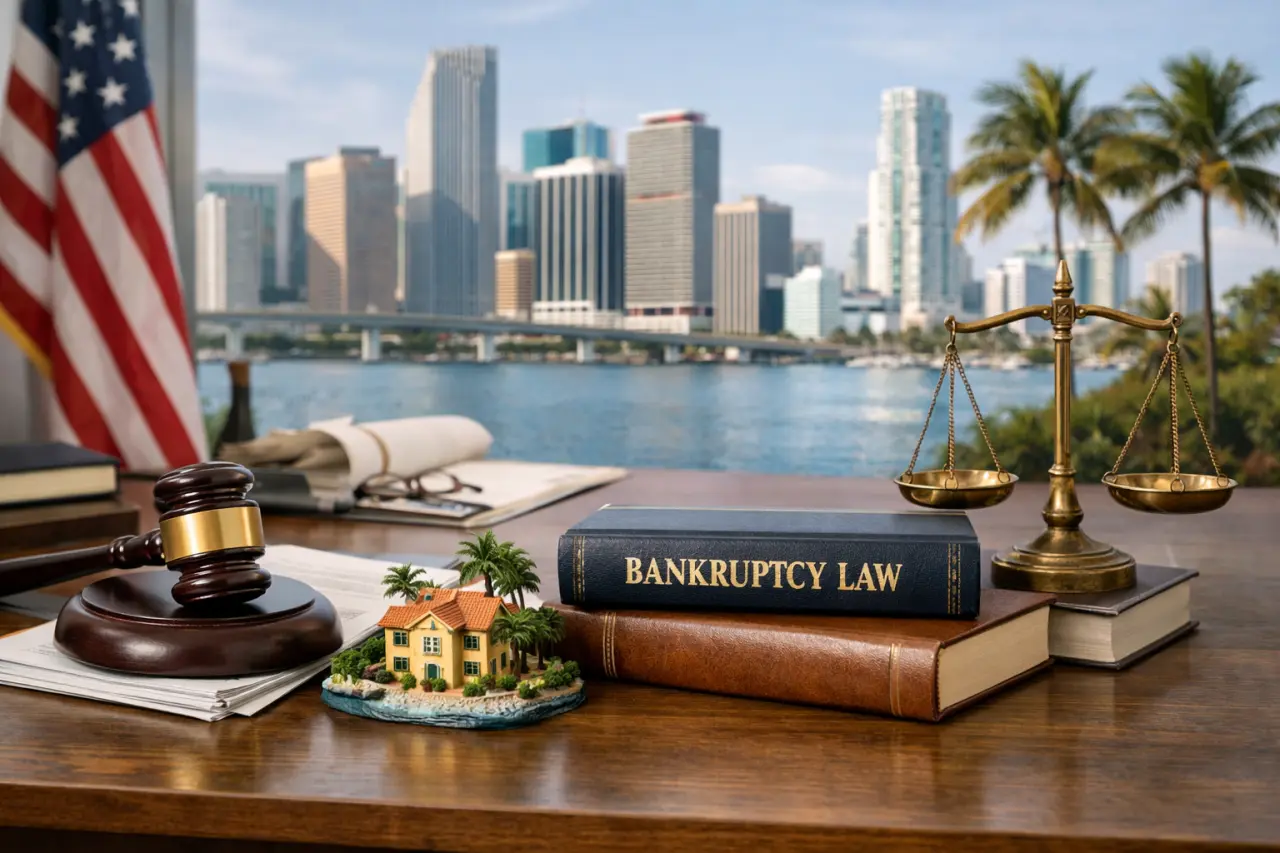
Bankruptcy help in Miami starts with the chapter, not the sales pitch
In Miami, bankruptcy clients usually want the same thing: a clear answer about whether Chapter 7 or Chapter 13 makes more sense for their situation. Local firms often frame the decision around income, assets, mortgage or car arrears, and whether the goal is a fast discharge or a repayment plan. Miami Bankruptcy Attorneys says its lawyers review finances, assets, and goals to determine whether Chapter 7 or Chapter 13 is appropriate, which is a good example of the kind of first conversation consumers should expect (Miami Bankruptcy Attorneys).
That matters here because bankruptcy is rarely just a paperwork decision. In a city with a wide mix of wage earners, small-business owners, and homeowners, the lawyer you choose should be comfortable explaining how the case will affect your home, car, credit, and monthly budget.
Miami firms that regularly handle consumer bankruptcy
A few Miami practices stand out because they speak directly to consumer bankruptcy and keep the focus on Chapter 7 and Chapter 13. Miceli Law states that a Miami bankruptcy lawyer can help a person seek a discharge of debts in Chapter 7 or Chapter 13, and its Miami bankruptcy page makes clear that those are core parts of the firm’s work (Miceli Law).
Another local option is the Bankruptcy Law Offices of James Schwitalla, P.A., which describes itself as an experienced bankruptcy law firm in Miami (Bankruptcy Law Offices of James Schwitalla, P.A.). For people who want a practice focused specifically on debt relief, that kind of narrow emphasis can be useful.
Craig Feldman, through Miami Low Cost Bankruptcy Center, markets Chapter 7 and Chapter 13 bankruptcy representation in Miami and highlights low-cost bankruptcy help (Miami Low Cost Bankruptcy Center). Rodrigo Flores Law also offers a dedicated Chapter 7 bankruptcy page for Miami clients, which suggests a more chapter-specific consultation style (Rodrigo Flores Law).
For people with more complicated debt problems, Patrick L. Cordero, P.A. describes itself as a Miami-based firm focused on bankruptcy law and related financial relief strategies (Patrick L. Cordero, P.A.). And Tony Roca’s bankruptcy page emphasizes debtor’s rights, student loan issues, and federal bankruptcy representation from a Miami practice (The Roca Law Firm, P.A.).
What to compare when you call a Miami bankruptcy lawyer
When you talk to a firm, the first question is usually not “Do you handle bankruptcy?” It is “Which kind, and how often?” A good Miami bankruptcy consult should cover:
- Chapter 7 eligibility and whether your income or recent financial activity raises issues.
- Chapter 13 feasibility if you need time to catch up on mortgage, car, or tax debt.
- What property can be protected under Florida exemptions and how that affects your case.
- Whether creditor calls, garnishment, or foreclosure are active concerns right now.
- How the fee structure works and what is included before filing.
Miami firms that publicly discuss both Chapter 7 and Chapter 13, like Miami Bankruptcy Attorneys and Miceli Law, make it easier to compare those options at the outset (Miami Bankruptcy Attorneys; Miceli Law).
Why local experience matters in Miami bankruptcy cases
Bankruptcy law is federal, but the practice of it is very local. A Miami attorney needs to know how the local courts, trustees, and filing expectations work in real life. The United States Bankruptcy Court for the Southern District of Florida has a Miami Division, which is where many local cases are handled (United States Bankruptcy Court, Southern District of Florida).
That local familiarity can make a practical difference. If you are trying to save a home, protect a vehicle, or deal with a pile of unsecured debt, you want a lawyer who can explain the process without making it sound more mysterious than it is. In Miami, the strongest firms tend to be the ones that talk plainly about debt relief, do not overpromise, and are willing to say when bankruptcy is not the best answer.
A simple way to narrow the list
If you are comparing Miami bankruptcy firms, start with three questions:
- Do they regularly handle both Chapter 7 and Chapter 13?
- Do they explain the likely outcome in plain language?
- Do they give you enough detail to understand the next step before you sign anything?
On a stressful financial deadline, that clarity matters more than flashy branding. Miami has no shortage of lawyers who say they handle bankruptcy, but the better fit is usually the one that can quickly tell you what happens next, what it costs, and what it may save.
Related articles
Homestead Bankruptcy Law Firms: Local Help for Debt Relief
Homestead residents comparing bankruptcy help can look at local firms, Chapter 7 and Chapter 13 focus, and the practical questions worth asking first.
Editorial Team
Bonita Springs Bankruptcy Law Firms: Local Help for Debt Relief
Bonita Springs residents comparing bankruptcy counsel should look closely at Chapter 7 and Chapter 13 guidance, office location, and how firms handle creditor pressure.
Editorial Team
North Port Bankruptcy Law Firms: Where to Start on Debt Relief
North Port residents comparing bankruptcy help can look closely at filing options, payment plans, and local office access before scheduling a consult.
Editorial Team