Bankruptcy Law
Miami Bankruptcy Law Firms: Chapter 7 and 13 Options
Miami residents facing debt trouble often compare Chapter 7 and Chapter 13 help first. Here’s how local bankruptcy firms frame those choices and what to ask before you call.
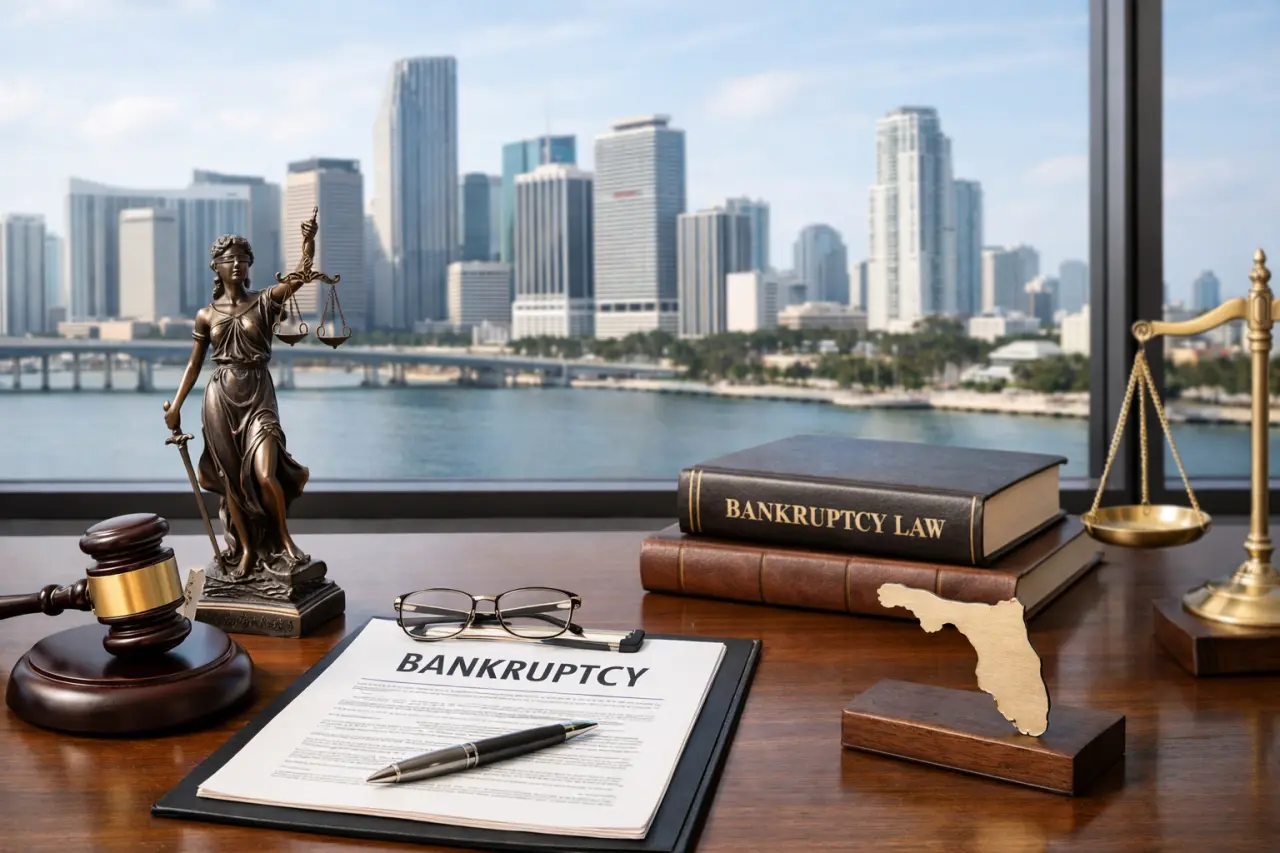
Choosing bankruptcy help in Miami
When Miami households start comparing bankruptcy options, the first question is usually whether Chapter 7 or Chapter 13 makes more sense. Local firms tend to emphasize that the right path depends on income, assets, and whether the goal is wiping out unsecured debt or reorganizing payments over time (Miami Bankruptcy Attorneys; Miceli Law).
That matters here because Miami clients often juggle rent, mortgage pressure, credit cards, and other debt at the same time. A good consultation should focus less on slogans and more on what your financial picture actually allows under the bankruptcy code (Kingcade Garcia McMaken, P.A.; Sagre Law Firm).
What Miami bankruptcy firms commonly handle
In Miami, many bankruptcy practices work with both consumer and business debt matters, but the most common starting points are Chapter 7 and Chapter 13. Timothy Kingcade’s firm says it guides clients through the distinctions between those chapters, while Miami Bankruptcy Attorneys says it reviews finances, assets, and goals to determine whether Chapter 7 or Chapter 13 is appropriate (Kingcade Garcia McMaken, P.A.; Miami Bankruptcy Attorneys).
Louis A. Hernandez, P.A. describes its work as Chapter 7 and Chapter 13 representation, with an emphasis on helping people eliminate debt and save homes from foreclosure. Miceli Law also presents Chapter 7 and Chapter 13 as core parts of its Miami bankruptcy practice (Louis A. Hernandez, P.A.; Miceli Law).
How to compare attorneys before you file
For Miami consumers, the smartest comparison is not just price. It is whether the lawyer explains eligibility, timing, and the practical effect bankruptcy may have on your home, vehicle, and monthly budget. Mendez Law Offices says it helps clients understand whether they qualify for Chapter 7 and walks through filing steps and costs, which is the kind of early guidance many people need before making a decision (Mendez Law Offices).
Sagre Law Firm says it uses a flat-fee approach for legal services, while Miceli Law highlights transparency around fees and costs. That can be useful if you want a clearer picture of what legal representation will cost before you commit (Sagre Law Firm; Miceli Law).
- Ask which chapter fits your income and property. Some firms focus on Chapter 7 screening, while others regularly handle Chapter 13 repayment plans (Miami Bankruptcy Attorneys; Kingcade Garcia McMaken, P.A.).
- Ask how foreclosure or garnishment is handled. Several Miami firms mention foreclosure defense or debt-relief strategy as part of their bankruptcy work (Louis A. Hernandez, P.A.; Sagre Law Firm).
- Ask about fees in writing. Clear billing language helps you compare firms on the same terms (Miceli Law; Sagre Law Firm).
- Ask whether the office can explain the process in plain English or Spanish. Mendez Law Offices notes that it serves Miami clients in Spanish, which can matter a lot in a bankruptcy case (Mendez Law Offices).
Where Miami clients often get stuck
The hardest part of bankruptcy is often not the paperwork itself. It is deciding whether the problem is best solved through liquidation, repayment, negotiation, or something else entirely. Miami Bankruptcy Attorneys says many people do not realize bankruptcy can be a legal way to manage overwhelming debt, while Kingcade Garcia McMaken emphasizes understanding recent changes in bankruptcy regulations before filing (Miami Bankruptcy Attorneys; Kingcade Garcia McMaken, P.A.).
That’s why a consultation should be specific. If you are worried about keeping a house, ask about Chapter 13. If you are overwhelmed by unsecured debt and want to know whether you qualify for Chapter 7, ask that directly. If you are trying to stop collection pressure, ask what relief can happen early in the case (Louis A. Hernandez, P.A.; Mendez Law Offices).
A practical Miami shortlist
Miami has a solid bench of bankruptcy firms with different strengths. Some are built around Chapter 7 and Chapter 13 consumer filings; others add foreclosure defense, debt negotiation, or bilingual service. The best fit is usually the one that can explain your options clearly and give you a concrete path forward (Miami Bankruptcy Attorneys; Louis A. Hernandez, P.A.; Mendez Law Offices).
If you are comparing firms today, start with a short list and bring the same documents to each meeting: income, household expenses, debts, and a list of assets. That makes it easier to see which Miami bankruptcy lawyer is giving you the clearest answer for your situation (Miami Bankruptcy Attorneys; Miceli Law).
Related articles
Homestead Bankruptcy Law Firms: Local Help for Debt Relief
Homestead residents comparing bankruptcy help can look at local firms, Chapter 7 and Chapter 13 focus, and the practical questions worth asking first.
Editorial Team
Bonita Springs Bankruptcy Law Firms: Local Help for Debt Relief
Bonita Springs residents comparing bankruptcy counsel should look closely at Chapter 7 and Chapter 13 guidance, office location, and how firms handle creditor pressure.
Editorial Team
North Port Bankruptcy Law Firms: Where to Start on Debt Relief
North Port residents comparing bankruptcy help can look closely at filing options, payment plans, and local office access before scheduling a consult.
Editorial Team